

Firewood Community Safety Initiative
Heat is important, but safe heat is essential! Join the movement towards safe and secure wood heat for all.
What is the initiative?
The Firewood Community Safety Initiative looks to you, the firewood community, to set a standard of safety that all firewood users can remember, reference, and understand. The USDA Forest Service funded this initiative through their Wood Education Resource Center and Wood Products from 2024 to 2026 because they believe a basic education around firewood fueled heat is fundamental to any safe biomass heated home. Altogether, 55 firewood banks joined this initiative. In 2025, AGH was awarded a grant by FEMA Fire Prevention and Safety to get more supplies out to vulnerable communities. Firewood banks around the county have an opportunity to reduce risk and prevent unsafe firewood use. They engage with thousands of homes and impact hundreds of communities all through the simple provision of cut, split, and seasoned firewood.
Access to heating fuel is only the first step to optimizing wood heat, best burning education and safety standards must be readily available to wood burning households. Preventative planning for long term security, healthy habits that reduce indoor and outdoor air pollution, and a basic stove understanding is imperative for wood heat to remain a safe heat option.
Included in this site are helpful resources for firewood users produced by The Alliance for Green Heat, Environmental Protection Agency, and other partners. The resources outline ways the firewood community can best advocate for and rely on the precious renewable biofuel, that is, firewood.
Check out this map of firewood banks that have committed to safety!


-
Brandt Services, Monticello, Utah
-
Clear Creek Wood Bank, Buffalo, Wyoming
-
Coeur d'Alene Tribe Firewood Program, Coeur d'Alene Tribe
-
Downeast Wood Bank, Blue Hill, Maine
-
Firewood Bank of the Ruby Valley, Sheridan, Montana
-
Gold Country Senior Services - Senior Firewood Program, Grass Valley, California
-
Greater Buffalo Run Valley Firewood for Good Program, Bellefonte, Pennsylvania
-
Hinton Rural Life Center, Hayesville, North Carolina
-
Hughes Wood Bank, Hughes, Alaska
-
Mountain Communities Fire Safe Council, Idyllwild, California
-
Nahata Dziil Woodbank, Sanders, Arizona
-
New Life Church Polson, Polson, Montana
-
One Spirit Red Shirt Firewood Bank, Pine Ridge, South Dakota
-
St. Michaels & All Angels Episcopal Church Wood Bank Ministry, Eureka, Montana
-
University of Tennessee Firewood Bank, Knoxville, Tennessee
-
Village of Bacavi Wood Project, Bacavi, Arizona
-
Warmth for Hopi & Tewa, Kykotsmovi, Arizona
-
Chinle Chapter Government, Chinle, Arizona
-
Woodbank at Nativity Lutheran Church, Bend, Oregon
List of Participants:
Safety Toolkits
Protecting your home and your loved ones is easier with a few small tools, cleaning and burning habits, and routine maintenance. We would like everyone to access these tools easily, so we are offering firewood banks that join our initiative safety toolkits stocked with low-cost supplies that increase safety and optimize heat production. Email darian@forgreenheat.org for more info.
.png)

.png)

Air Quality Monitor
This bluetooth compatible Temtop air quality monitor records particulate matter pollution that is most harmful to your health
Our citizen science opportunity brings attention to the things you could easily overlook. Through observing your indoor air quality we can better understand how much behavior and stove condition impacts air quality.

.png)

The Importance of Seasoned Wood
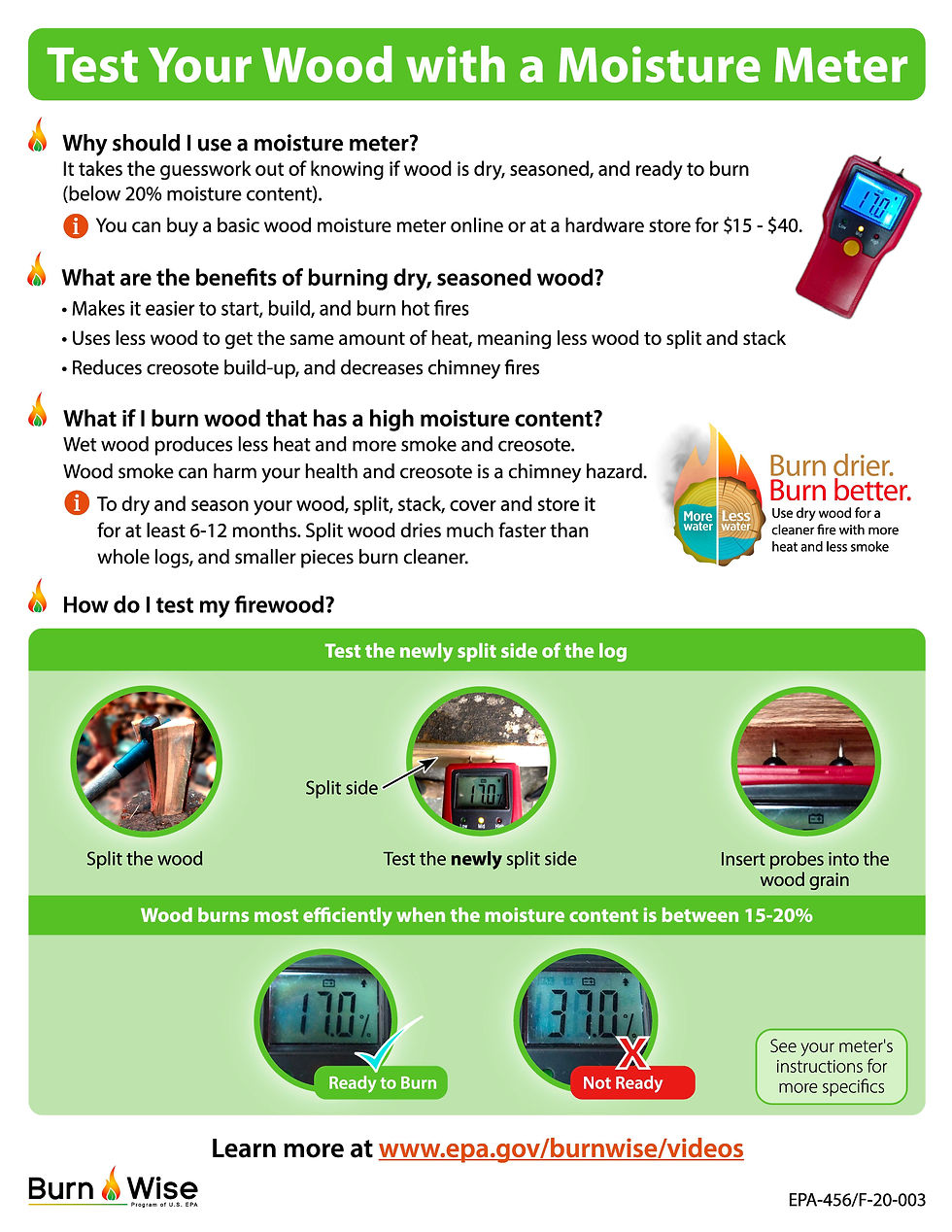
Firewood burns better, hotter, and cleaner when it's dry! Always use seasoned firewood with 20% moisture content or less to heat your home.
How do you know?
Seasoned firewood will feel light when you pick it up, have a greyish color and more than likely the bark has fallen off. A moisture meter will tell you the exact water concentration.
How do you season?
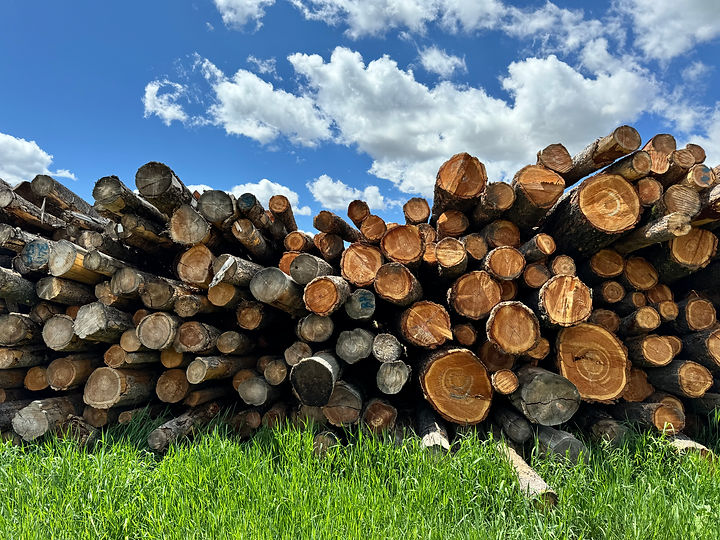
Seasoned firewood is dried out either naturally or intentionally before the heating season. Dead, fallen trees are typically pre-seasoned. Green cut trees require 2-6 months to dry, depending on your location.
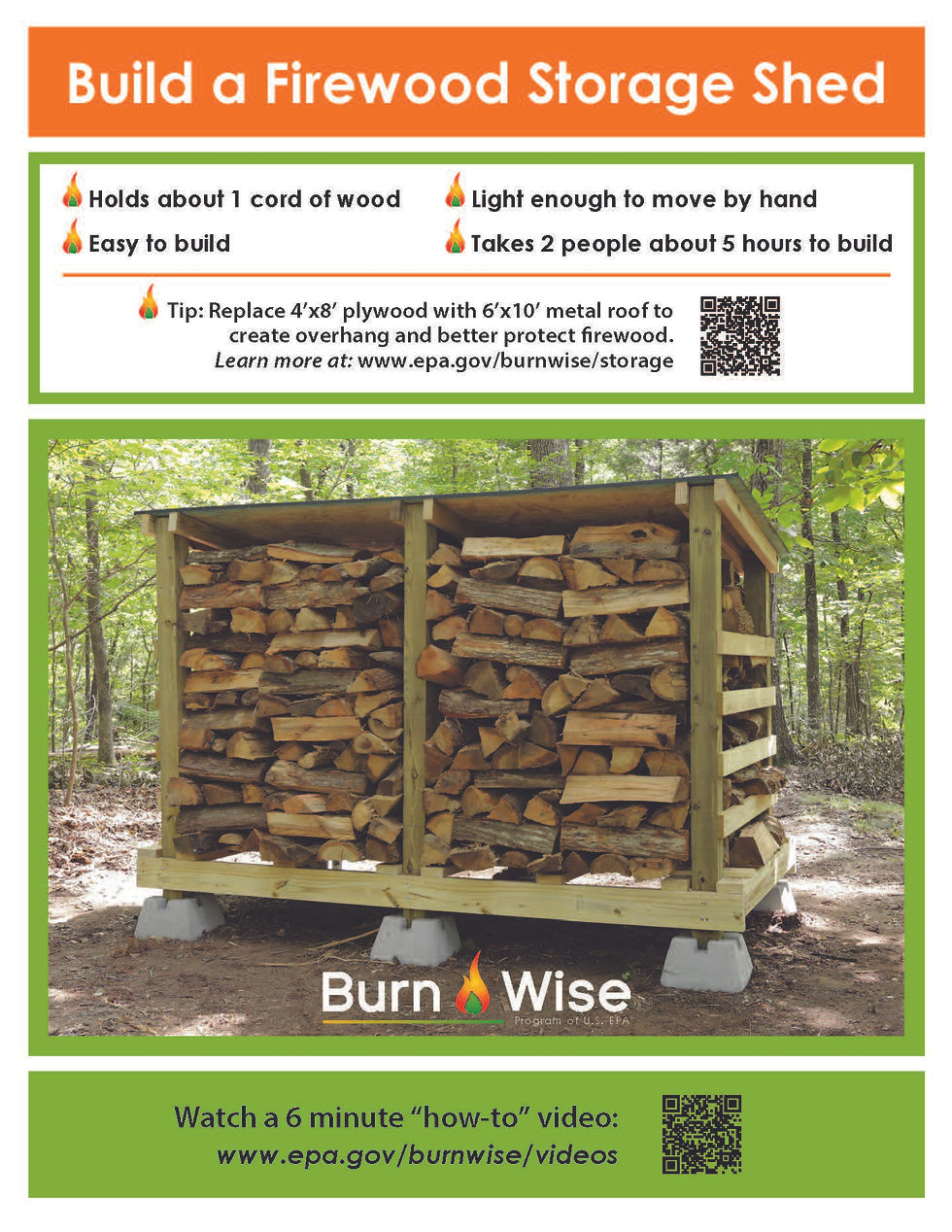
Follow the split, stack, cover, store rules when preparing for the season.
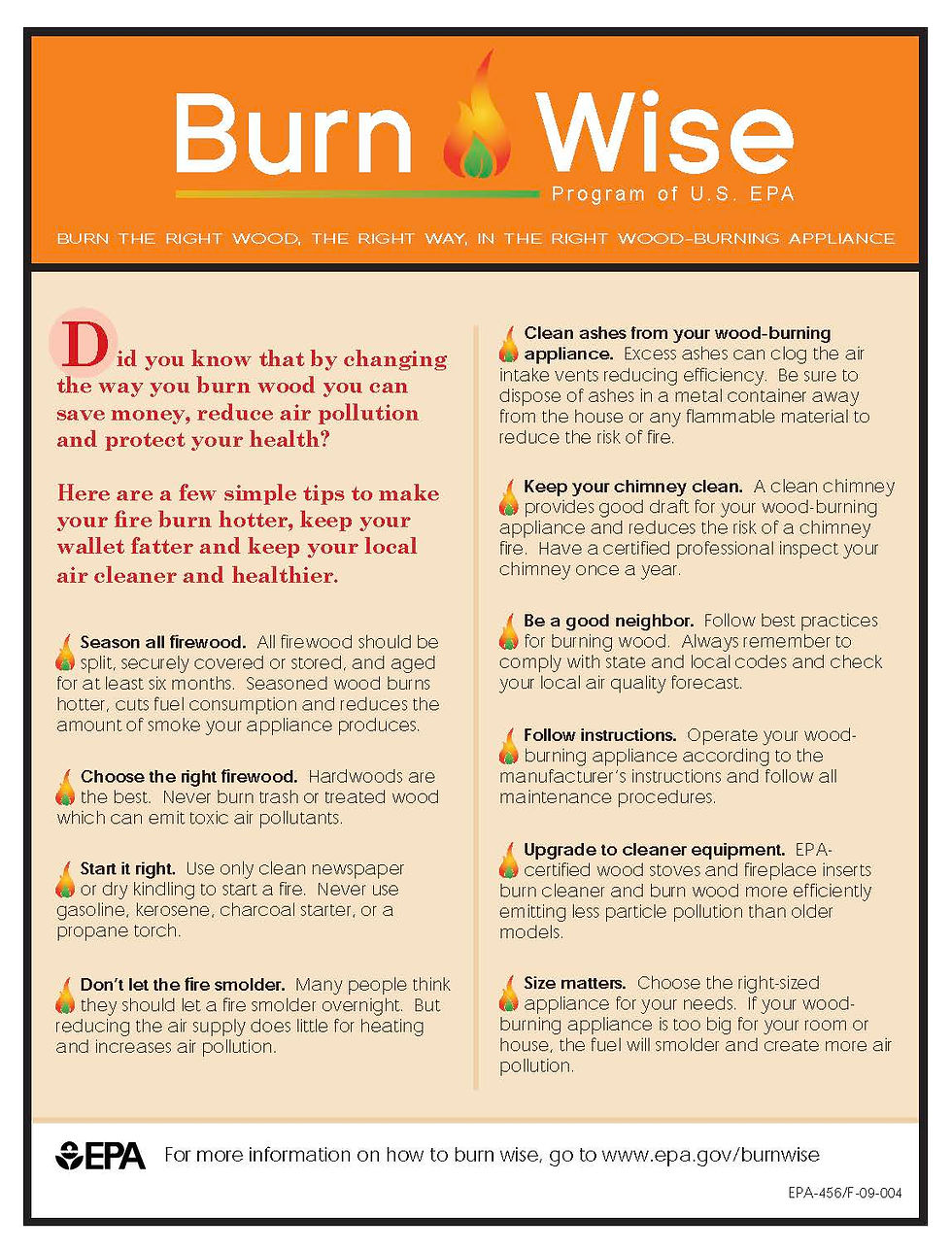
Discover EPA Burn Wise
Describe your image
Describe your image
Smoke From Your Wood Stove Can Harm Your Health
The particulate matter pollution that is most harmful to your health is not visible to the naked eye.
Using an indoor air monitor gives you a reference point for what your indoor air quality is throughout the heating season. Mobile air filters can help reduce exposure to PM2.5 pollution in addition to an upgraded EPA certified efficient stove.
Click here to learn how to make your own box fan filter!

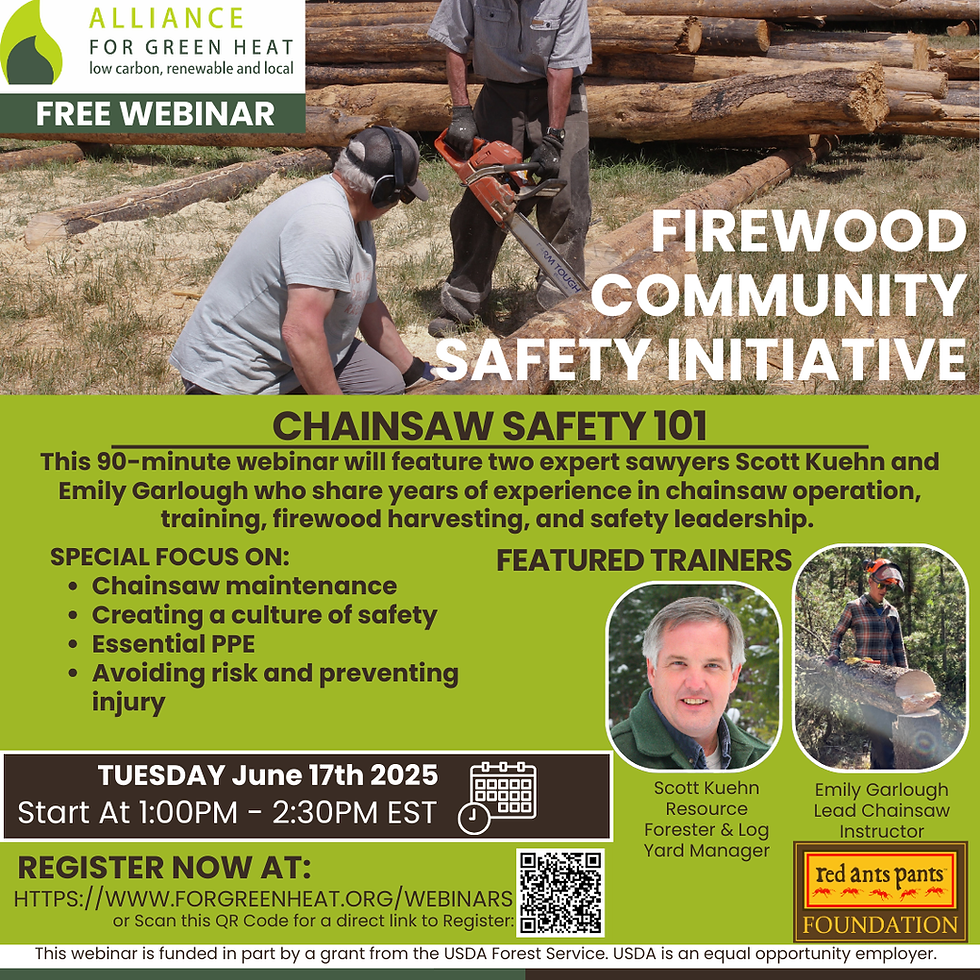
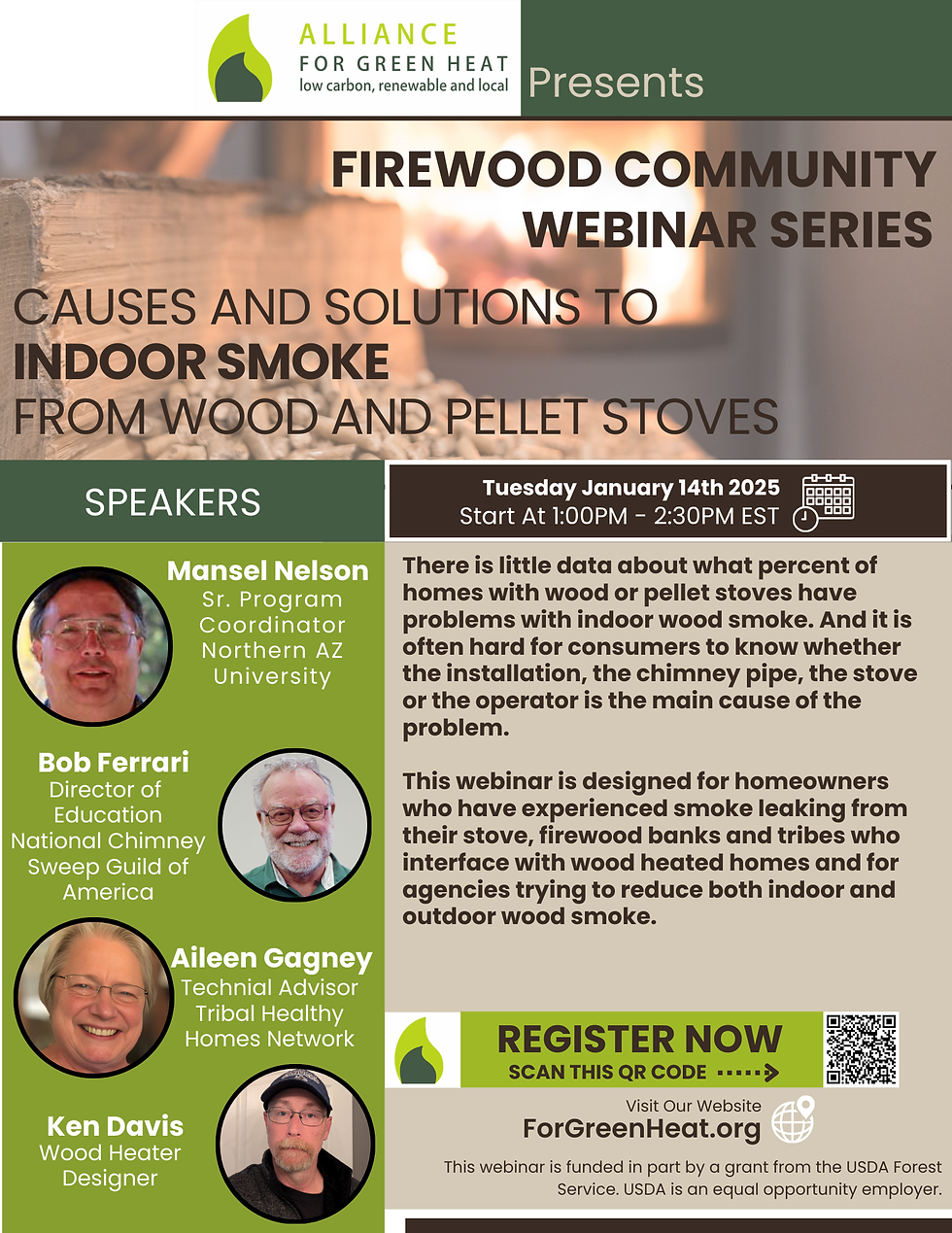
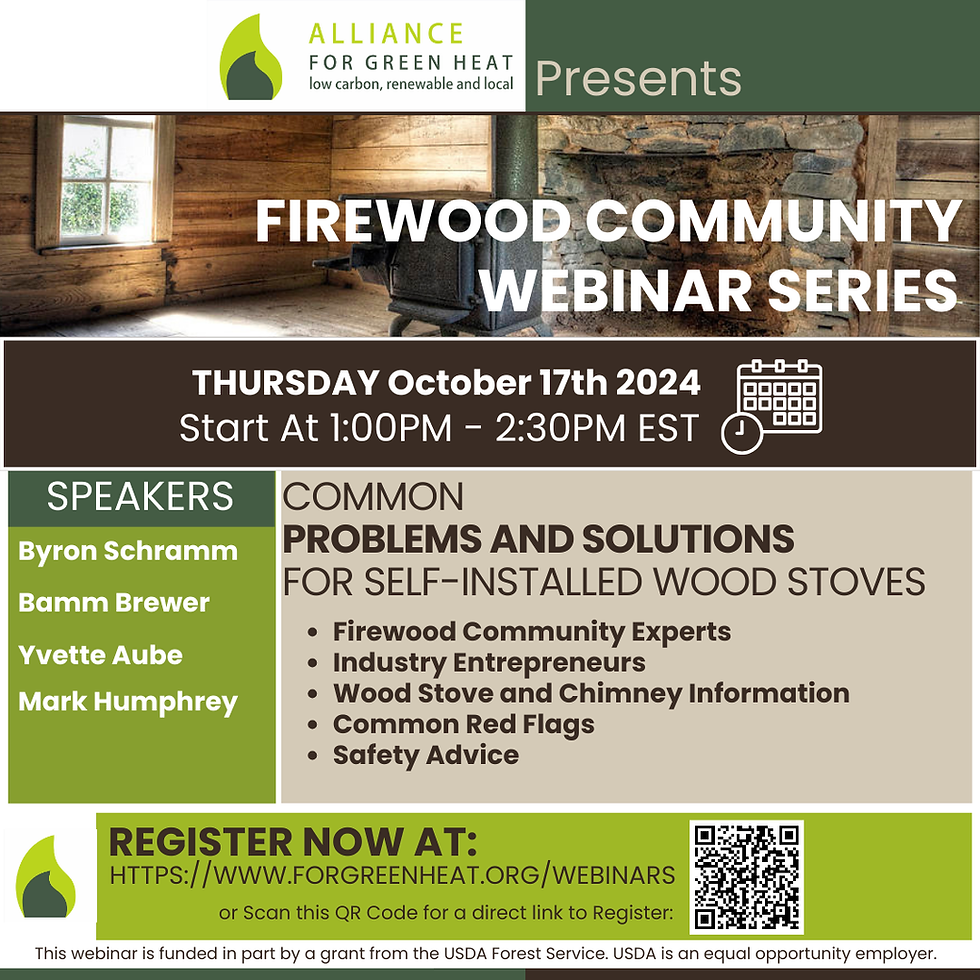
Webinar Series
Review our past webinars or join us for the next one, live!
All webinars in this series focuses on safety from the wood lot to the stove.
Describe your image
Describe your image
Describe your image
Describe your image


Lifecycle of Firewood
Forest Systems
Tree mortality is part of the forest, a natural tree death or snags can result from management actions, fire, or pests.
Hardwood trees species decay slower than softwood species, yet both have the potential to remain in the forest for many decades. Although the diameter of the tree controls the decomposition rate, the rate at which trees die relates to the availability and abundance of fuel wood available for heating fuel.
Forest Fire Fuel
Snags fall to the forest floor where they begin to decay. While organic carbon is beneficial to soil chemistry the decomposition of wood releases carbon into the atmosphere.
Reclaiming the dead wood for fuel is one way to capture the carbon for heat and reduce precariously balanced trees, at risk of falling onto the understory. Reducing fuel abundance also reduces risks associated with forest fires.
Timber Stand Thinning
Many dense forests are selectively thinned to improve production of understory grasses and forbs and improved establishment of native keystone tree species. Reducing the density of trees can also mitigate the threat of insects and disease.
Also called fuels reduction efforts, thinning practices can result in a more resilient tree stand to fire. Creating space between mature trees and eliminating "ladder fuels", smaller trees that surround the trunk of a tree, protects the tree canopy.

